

By Mateo Martinez
Economy and health care top the list of concerns
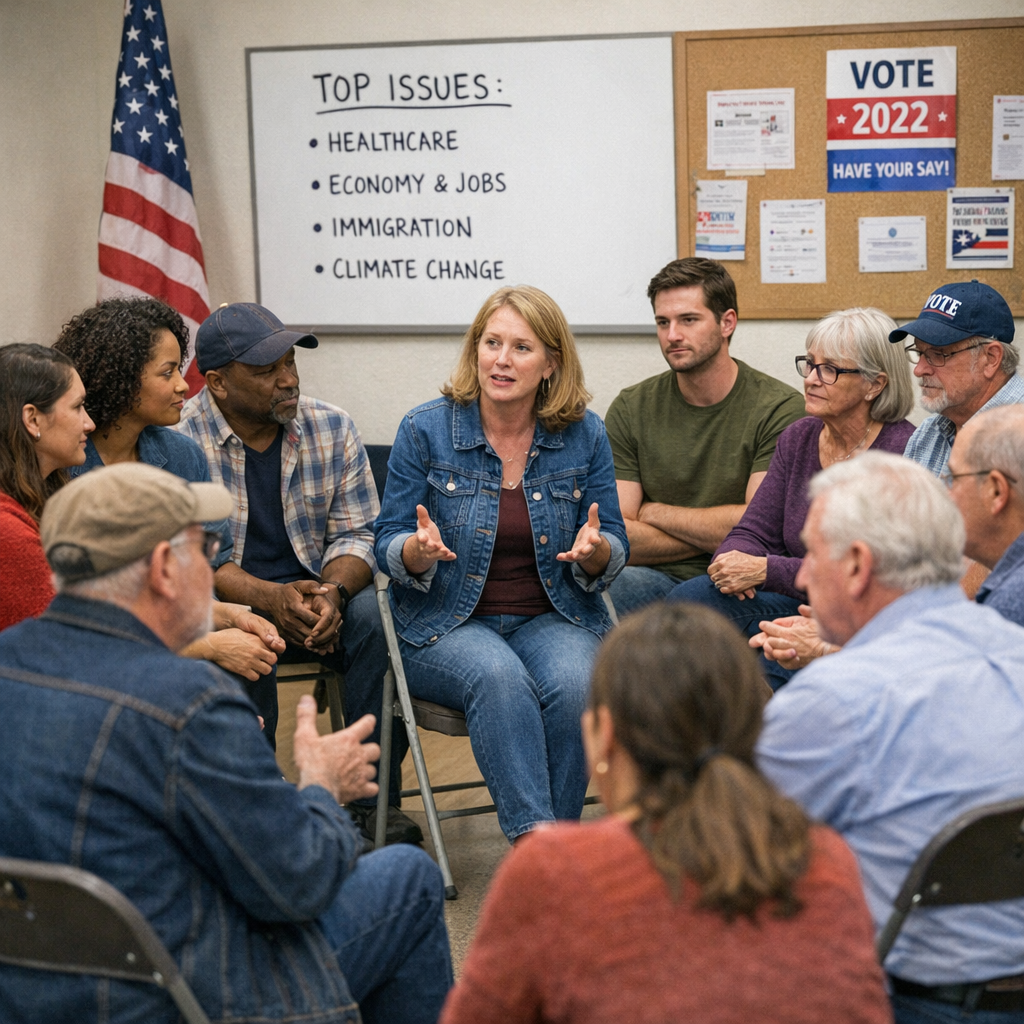
According to recent surveys, many Americans point to the affordability of health care, inflation, and the federal budget deficit as the most serious challenges facing the country. Around 73% say health care costs are a “very big problem,” while inflation follows closely with 66%, and concern over the deficit has also risen significantly. Unemployment is somewhat less urgent for most—but still matters for many. This reflects widespread unease in everyday costs and long-term fiscal health.
Partisan divides, shared worries
Many of these issues cut across party lines—though there are important differences in emphasis. Democrats tend to be more concerned than Republicans about health care costs and climate change, while Republicans view illegal immigration and crime as more urgent problems. But both sides agree: many feel the government’s ability to work together is at low ebb, and there’s growing frustration with how much money influences politics.
Other pressures: technology, elections, and AI
Beyond the core issues of money and health, Americans are also focused on the rise of big tech and artificial intelligence, concerns about election integrity, and how political polarization is affecting governance. State governments are increasingly working together—across party lines—on AI regulation and data center permitting, showing that while Washington is gridlocked, change is happening at the subnational level.
What this means forward
These survey results suggest U.S. political debates moving forward will likely be shaped by costs of living, healthcare reform, fiscal responsibility, and shaping technology policy. Political leaders—both parties—may find opportunity in focusing on practical solutions rather than ideological fights, especially as voters grow weary of entrenched divisions.