

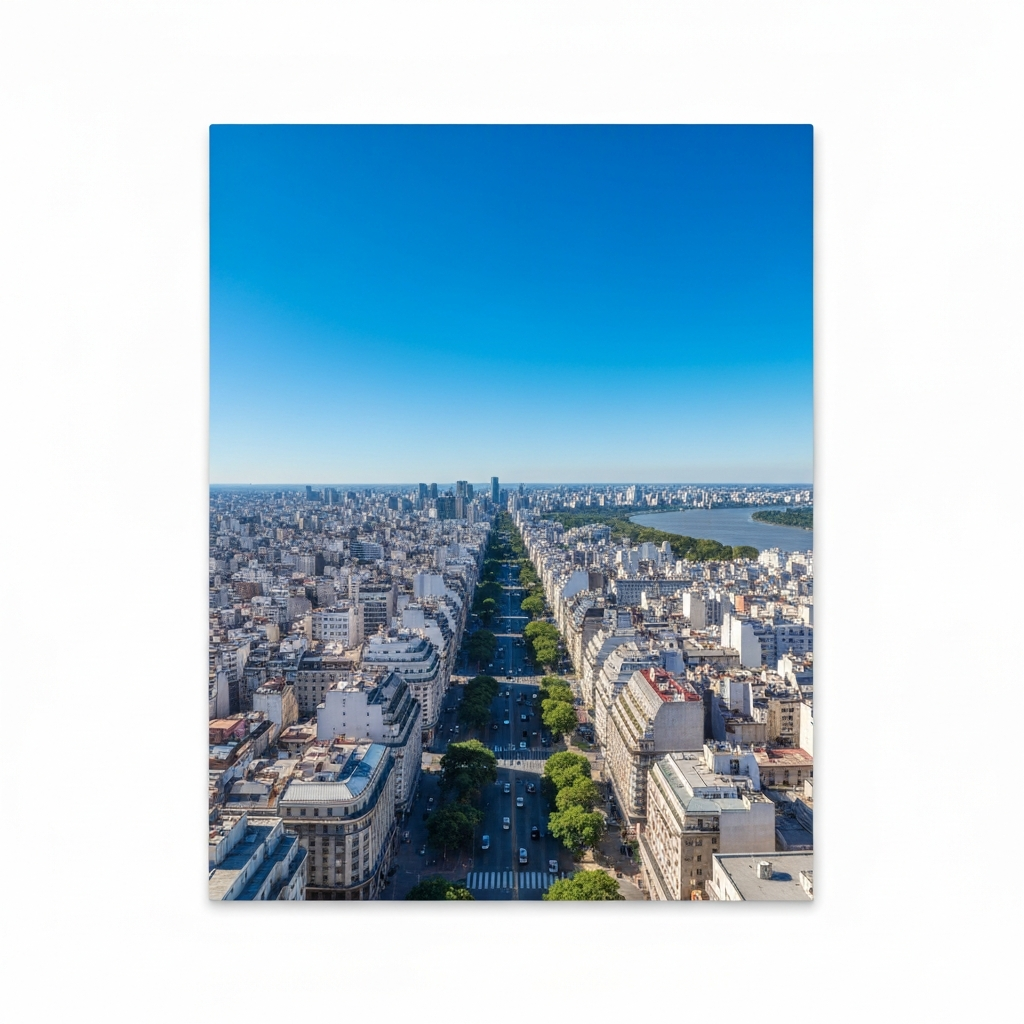
Buenos Aires, the vibrant capital of Argentina, boasts a humid subtropical climate characterized by distinct seasons and moderate rainfall. Understanding these patterns can enhance your experience in the city, whether you’re a resident or a visitor.
Seasonal Overview
Summer (December to February)
Summers in Buenos Aires are hot and humid, with average high temperatures around 30°C (86°F). Afternoon thunderstorms are common, providing brief respite from the heat. Many locals take vacations during January, leading to a quieter city atmosphere. It’s advisable to wear light, breathable clothing and stay hydrated during this season.
Autumn (March to May)
Autumn brings milder temperatures, ranging from 12°C to 22°C (54°F to 72°F). The weather is generally pleasant, making it an ideal time for outdoor activities. The city’s parks showcase beautiful fall foliage, offering picturesque settings for walks and picnics.
Winter (June to August)
Winters are mild and humid, with average temperatures around 11°C (52°F). Frosts can occur from May to September, but snowfall is extremely rare. It’s a good idea to have a warm jacket for cooler days and evenings.
Spring (September to November)
Spring is characterized by fluctuating temperatures and quickly changing weather. It’s a season of renewal, with blooming flowers and increasing daylight. Dressing in layers is recommended to adapt to the varying conditions.
Environmental Considerations
Buenos Aires faces several environmental challenges, including air pollution from vehicular emissions and industrial activities. The city operates three Atmospheric Monitoring Stations located in Parque Centenario, La Boca, and at the intersection of Av. Córdoba and Av. Callao. These stations continuously monitor air quality to assess pollution levels and inform mitigation strategies. Additionally, the Riachuelo River, which runs through the city, is heavily contaminated with industrial waste and requires ongoing remediation efforts.
Adapting to the Climate
To make the most of Buenos Aires’ climate:
- Stay informed about daily weather forecasts, especially during seasons with rapidly changing conditions.
- Dress appropriately for the season, opting for light fabrics in summer and layering in cooler months.
- Be mindful of environmental issues and support local initiatives aimed at improving air and water quality.
By understanding and adapting to the city’s climate, you can fully enjoy all that Buenos Aires has to offer throughout the year.