

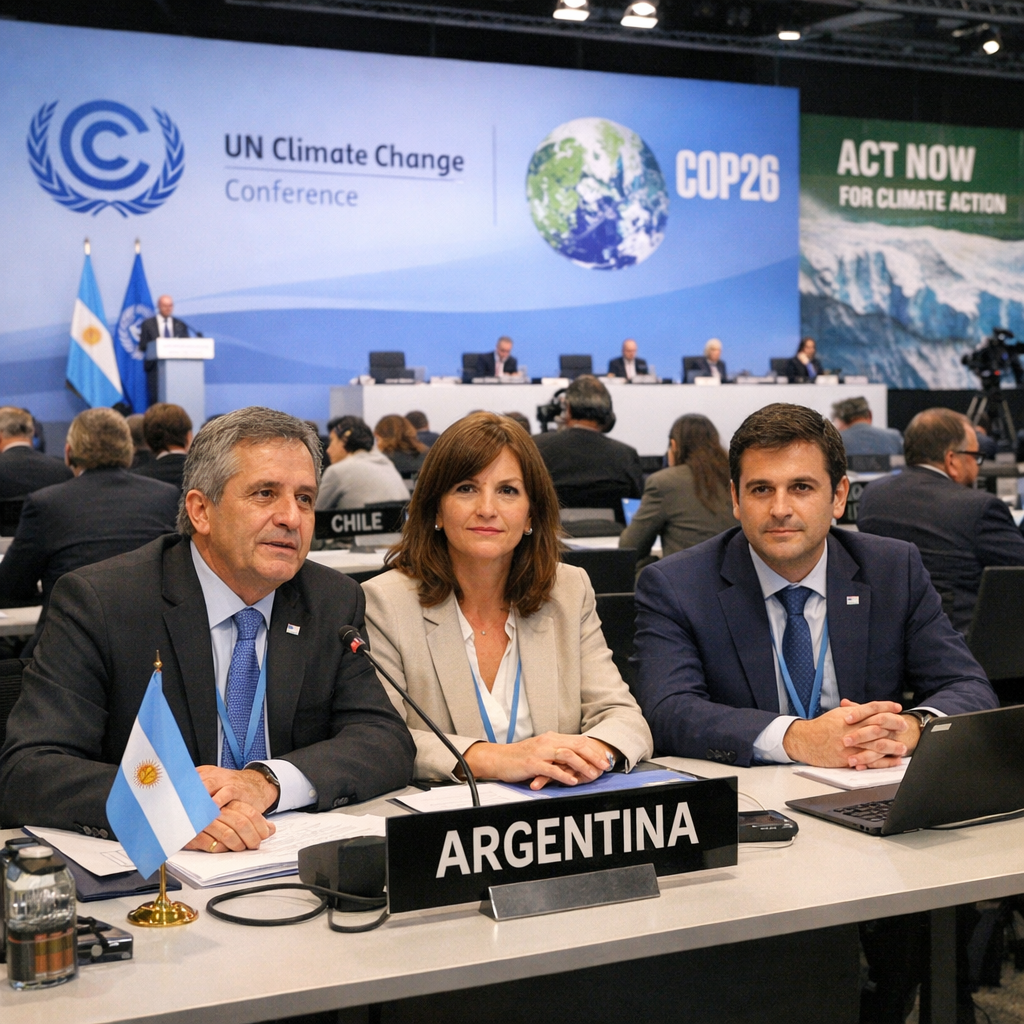
Argentina has demonstrated a strong commitment to addressing climate change by actively participating in international agreements and aligning its national policies with global initiatives. This dedication is evident through its involvement in the Paris Agreement and the development of comprehensive national strategies.
Participation in the Paris Agreement
In April 2016, Argentina signed the Paris Agreement, underscoring its commitment to global climate action. The agreement, which aims to limit global temperature rise to well below 2°C above pre-industrial levels, was ratified by Argentina through Law No. 27.270 in September 2016 and came into effect in November of the same year. By ratifying this agreement, Argentina pledged to implement measures to reduce greenhouse gas emissions and adapt to the impacts of climate change.
Nationally Determined Contributions (NDCs)
As part of its obligations under the Paris Agreement, Argentina submitted its first Nationally Determined Contribution (NDC) in 2016, outlining its commitment to reduce emissions by 15% unconditionally and an additional 15% conditionally by 2030, compared to a business-as-usual scenario. Recognizing the need for more ambitious action, Argentina updated its NDC in 2020, committing to not exceed net emissions of 359 million tonnes of carbon dioxide equivalents by 2030. This updated target represents a significant enhancement over the previous commitment.
Long-Term Climate Strategy
In 2021, Argentina developed its Long-Term Low Emission Development Strategy (LTS) with the goal of achieving net-zero carbon emissions by 2050. This strategy outlines pathways for decarbonizing key sectors such as energy and agriculture, emphasizing the transition to renewable energy sources and the adoption of climate-smart agricultural practices.
Adaptation and Mitigation Efforts
Argentina has also focused on enhancing its resilience to climate change through the development of a National Adaptation Plan (NAP). The plan identifies 32 adaptation measures across various sectors, aiming to strengthen the country’s capacity to cope with climate impacts. Additionally, the government has implemented policies to reduce deforestation and promote sustainable land use, contributing to both mitigation and adaptation objectives.
International Collaboration
Beyond its national efforts, Argentina actively collaborates with international organizations to advance climate action. The country joined the Climate and Clean Air Coalition (CCAC) in 2018, working to reduce short-lived climate pollutants across multiple sectors. Through such partnerships, Argentina seeks to leverage global expertise and resources to enhance its climate initiatives.
In conclusion, Argentina’s proactive engagement in global climate change initiatives reflects its recognition of the urgent need for collective action. By aligning its national policies with international commitments, Argentina contributes to the global effort to combat climate change and demonstrates leadership in the transition towards a sustainable future.