

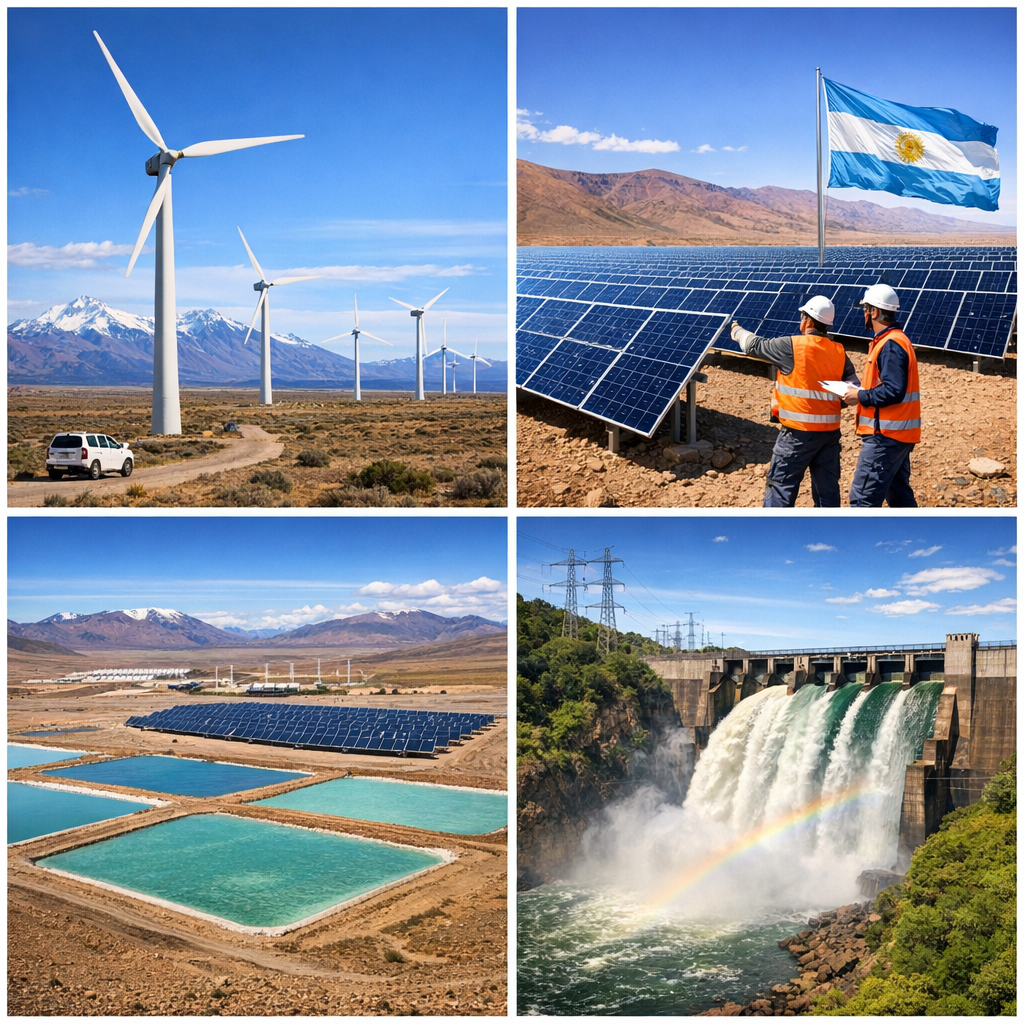
Argentina has demonstrated a strong commitment to addressing climate change on the global stage. By ratifying the Paris Agreement in 2016, the nation pledged to reduce greenhouse gas emissions and enhance its resilience to climate impacts. This commitment was solidified through the enactment of Law No. 27.270, which came into effect in November 2016.
In 2020, Argentina updated its Nationally Determined Contribution (NDC), setting an unconditional cap on net emissions at 349 million tonnes of CO2 equivalent by 2030. This ambitious target encompasses key sectors such as energy, agriculture, forestry, transport, industry, and waste management. The country has also committed to achieving net-zero emissions by 2050, aligning with global efforts to limit temperature rise.
To support these goals, Argentina has developed sector-specific action plans. The National Plan for Energy and Climate Change focuses on increasing renewable energy use and enhancing energy efficiency. In agriculture, the National Agriculture and Climate Change Action Plan aims to reduce emissions through practices like agroforestry and improved crop efficiency.
Internationally, Argentina collaborates with organizations like the Climate and Clean Air Coalition (CCAC) to reduce short-lived climate pollutants. Since joining the CCAC in 2018, the country has worked on reducing black carbon from heavy-duty diesel vehicles and developing integrated plans to target pollutants across multiple sectors.
These concerted efforts reflect Argentina’s dedication to combating climate change and contributing to global sustainability initiatives.