

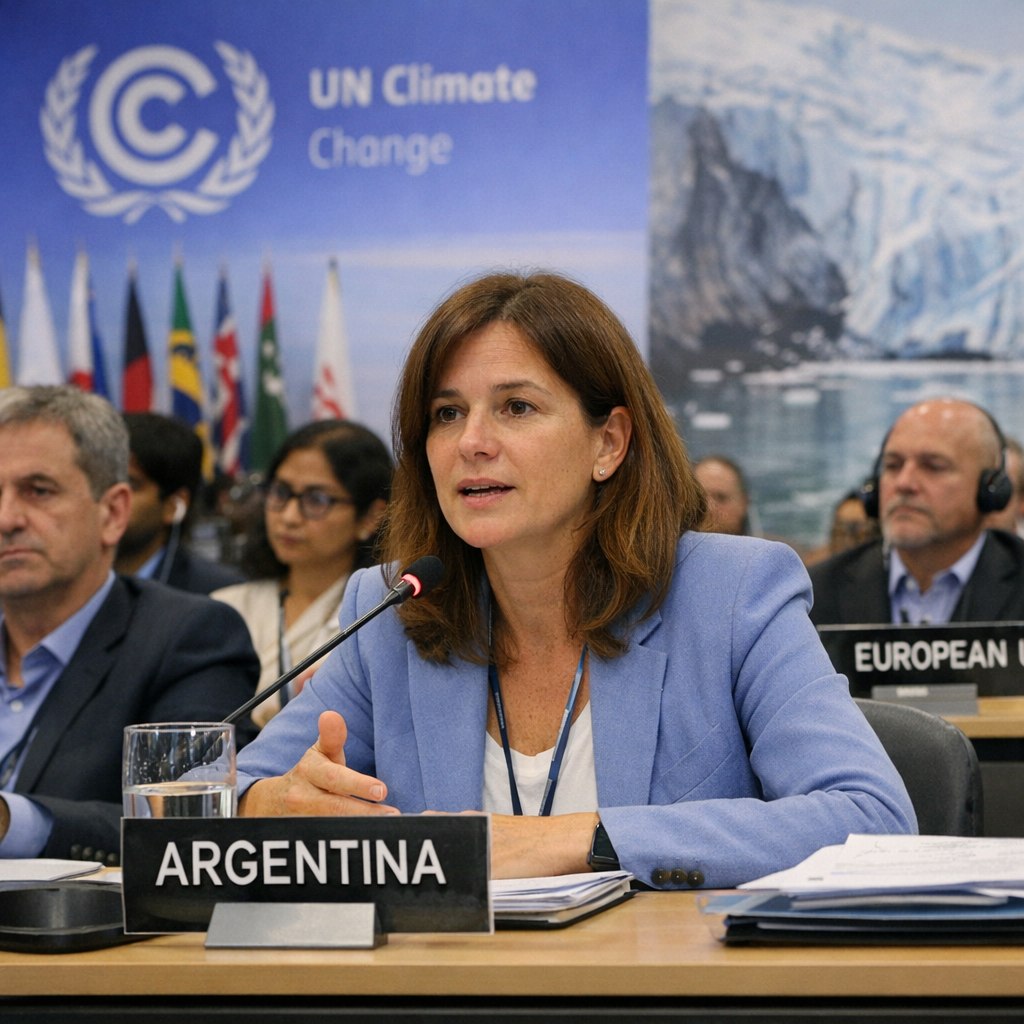
Argentina has been actively engaged in global efforts to combat climate change, aligning its national policies with international commitments to reduce greenhouse gas emissions and promote sustainable development.
Commitment to the Paris Agreement
As a signatory to the Paris Agreement, Argentina has pledged to limit its net greenhouse gas emissions to 359 million tonnes of CO2 equivalent by 2030. This target reflects a significant reduction compared to previous commitments and underscores the country’s dedication to mitigating climate change impacts. Additionally, Argentina aims to achieve net-zero carbon emissions by 2050, demonstrating a long-term commitment to environmental sustainability.
National Climate Policies and Actions
To fulfill its international obligations, Argentina has implemented several national policies and action plans:
- National Cabinet of Climate Change: Established to coordinate climate policies across various sectors, ensuring a unified approach to mitigation and adaptation strategies.
- Sectoral Action Plans: Developed for key sectors such as energy, transport, and agriculture, these plans outline specific measures to reduce emissions and enhance resilience to climate impacts.
- Climate Change Law: Enacted to provide a legal framework for climate action, facilitating the implementation of policies and ensuring accountability.
Challenges and Opportunities
Despite these efforts, Argentina faces challenges in fully implementing its climate policies. Recent assessments indicate that the country is projected to miss its Nationally Determined Contribution (NDC) target if current trends continue. To address this, Argentina could:
- Recommit to existing domestic climate policies and allocate necessary resources for their implementation.
- Phase out support for upstream oil and fossil gas developments.
- Develop a transition plan for the energy sector, emphasizing renewable energy sources.
- Establish a low-carbon transition plan for the land sector, including agriculture and forestry.
By addressing these challenges, Argentina can strengthen its role in global climate change initiatives and contribute more effectively to international efforts aimed at mitigating climate change impacts.